Drip Irrigation vs. Sprinkler Systems: Which Is Better for Houston Lawns?


Choosing the Right Irrigation System for Houston’s Climate
When it comes to keeping your Houston lawn green and healthy, the choice between drip irrigation and sprinkler systems matters. Drip irrigation delivers water directly to the roots, reducing waste, while sprinkler systems offer broad coverage for larger lawns. Let’s compare both to help you choose the most efficient solution for your property.
What Is Drip Irrigation?
Drip irrigation uses small emitters or tubing to release water slowly at the base of plants. It’s designed for precision and water conservation, making it ideal for gardens, flower beds, and landscaped areas.
✅ Pros:
- Highly water-efficient (reduces evaporation and runoff)
- Ideal for drought-prone or eco-friendly lawns
- Minimizes weed growth by targeting roots
- Works well for sloped or uneven terrain
❌ Cons:
- Not ideal for large grass areas
- Requires regular maintenance to prevent clogs
- Installation can be more complex
What Is a Sprinkler System?
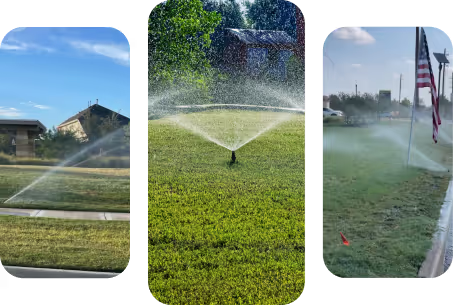
Sprinkler systems distribute water through pop-up heads or rotors that spray over the surface of your lawn. In Houston, where summers are hot and humid, they provide consistent coverage for expansive grass areas.
✅ Pros:
- Best for large lawns and open spaces
- Automated coverage ensures even watering
- Compatible with smart controllers and rain sensors
- Easy to integrate with existing landscape design
❌ Cons:
- Higher water usage compared to drip irrigation
- Can lose efficiency due to wind or evaporation
- May create runoff on slopes if not zoned properly
Water Efficiency Comparison
In Houston’s hot climate, drip irrigation often saves more water, while sprinkler systems are better for full-lawn coverage.
Which System Fits Your Lawn Type?
- Small or landscaped yards: Drip irrigation ensures each plant receives precise hydration.
- Medium to large grass areas: Sprinkler systems offer broad coverage and easy scheduling.
- Hybrid lawns: A combination of both systems can deliver the best of both worlds — drip lines for garden beds and sprinklers for turf zones.
Smart Irrigation Technology in Houston
Rhino installs advanced Rain Bird smart controllers that automatically adjust watering schedules based on real-time weather. Features like rain sensors and freeze protection are critical in Houston’s variable conditions, preventing water waste and system damage during cold snaps.
Cost and Installation Insights
Most Houston homes require 6–10 irrigation zones, with prices typically ranging from $3,000 to $5,000 depending on the system layout. Drip systems may cost slightly more upfront but pay off with long-term water savings.
All Rhino installations include:
- Wi-Fi-enabled controller (optional upgrade)
- Professional, insured technicians
- Two-year warranty
- Full customer training after installation
Drip vs. Sprinkler: Our Recommendation
If your goal is maximum water efficiency, go with drip irrigation for targeted areas. For complete lawn coverage, choose a smart sprinkler system with weather sensors. Rhino’s experts can help design a hybrid irrigation plan that fits your yard and budget.
If you need a professional, in-ground, automated sprinkler system, our team can help and give you a FREE quote
Get a Free Estimate
Want a lush lawn without dragging hoses? As top rated sprinkler installers in Houston, we install efficient, code compliant systems backed by a 2‑year warranty, a friendly walkthrough and controller training so you’re confident from day one.
See Exactly What Your Sprinkler System Will Cost
Most times we can get an estimate in less than 24 hours
Frequently Asked Questions
Drip irrigation delivers water directly to the plant roots through tubing and emitters, while sprinkler systems spray water over the surface. In Houston, drip irrigation is better for targeted watering and conserving water, while sprinklers are ideal for wide, grassy areas that need even coverage.
Drip irrigation typically saves 30–50% more water than sprinkler systems because it reduces evaporation and runoff. It’s the preferred choice for eco-conscious homeowners seeking a sustainable watering solution for gardens and landscaped zones.
Yes. Drip irrigation performs better in clay soil and sloped areas because it delivers water slowly, preventing puddling and runoff. Sprinkler systems can oversaturate heavy soils if not zoned or timed correctly.
Absolutely. Many Houston homeowners use hybrid systems — sprinklers for grass areas and drip irrigation for gardens or flower beds. Both can be connected to the same smart controller for precise, automated watering.
While sprinkler systems are often less expensive to install, drip irrigation can lower long-term water bills and maintenance costs. For many Houston homeowners, a hybrid approach provides the perfect balance between affordability, efficiency, and full-lawn coverage.